-
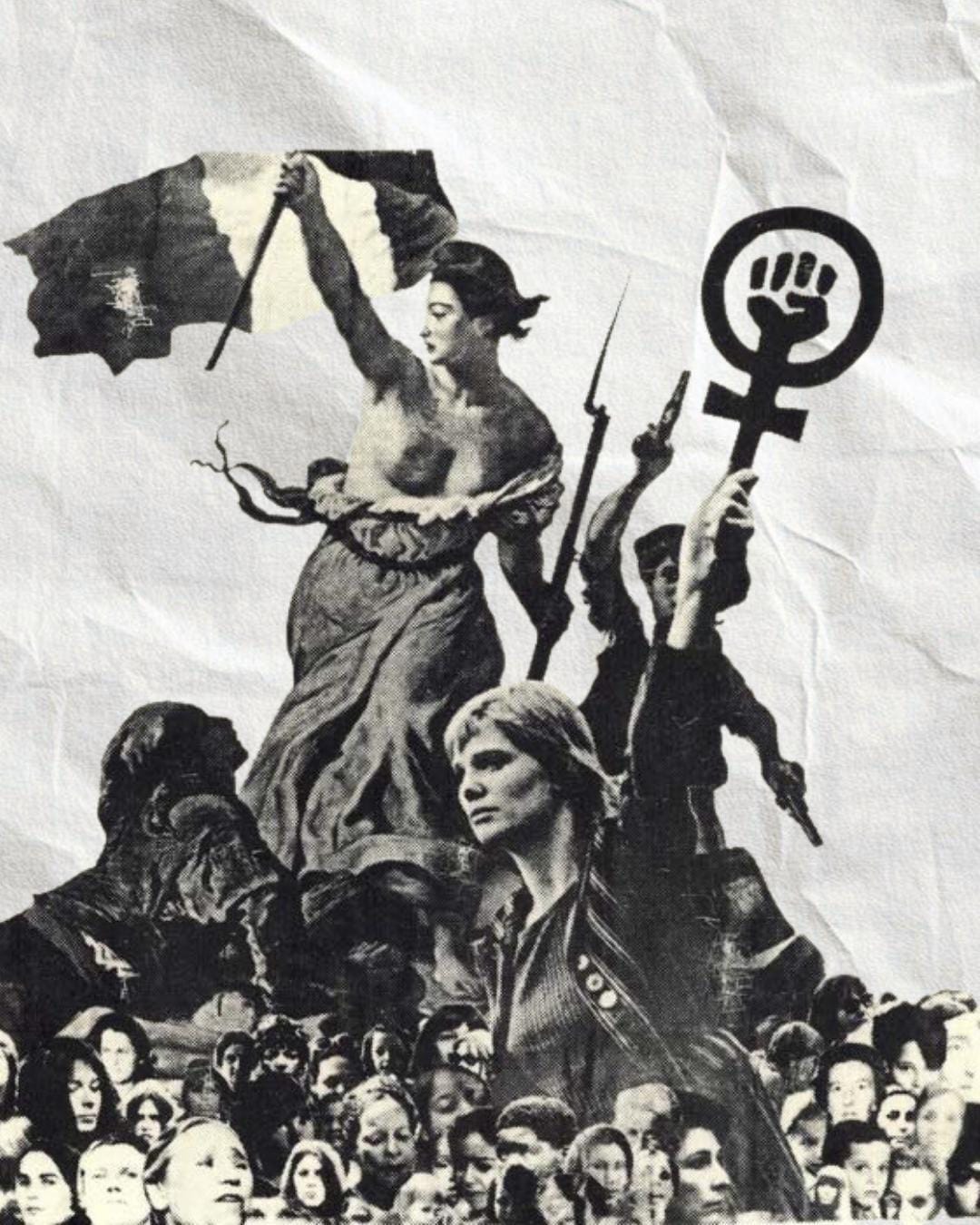
UNWOMEN
Protecting women against social media and AI-based abuse
UNWOMEN is the United Nations entity dedicated to gender equality and the empowerment of women. It works globally to eliminate discrimination, prevent gender-based violence, and promote women’s rights and leadership. UNWOMAN addresses the protection of women against increasing social media and AI-based abuse and harassment. Delegates will develop policy solutions to promote digital safety, accountability, and gender equality.
Under Secretary General:
Academic Assistant: Ayşe Naz Yerlioğlu
-
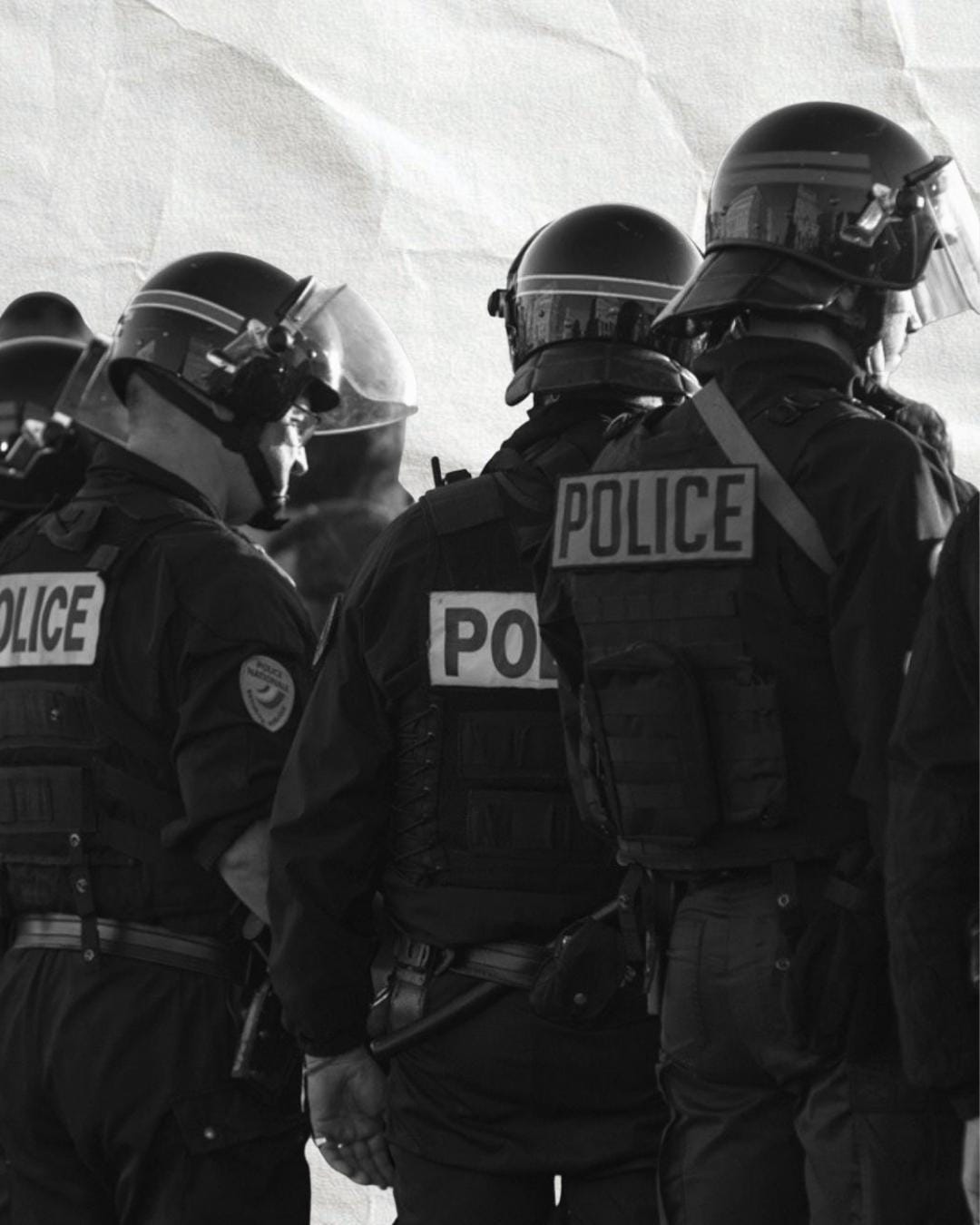
INTERPOL
Suppressing 'Ndrangheta mafia operations
INTERPOL is the world’s largest international police organization, facilitating cross-border cooperation to combat transnational crime. It supports member states through intelligence-sharing, coordination, and global law enforcement networks. The 'Ndrangheta is an Italian Mafia clan based in the peninsular region of Calabria/Italy and dating back to 1861. Although loosely structured, it is considered one of the most powerful organized crime gangs in the world. Currently, its main activity is drug smuggling, but it is also affiliated with arms trafficking, money laundering, racketeering, extortion, and loan sharking. INTERPOL delegates will focus on strategies to prevent and suppress the criminal operations of the ’Ndrangheta mafia and discuss international cooperation, intelligence-sharing, and transnational crime prevention.
Under Secretary General:
Academic Assistant:
-
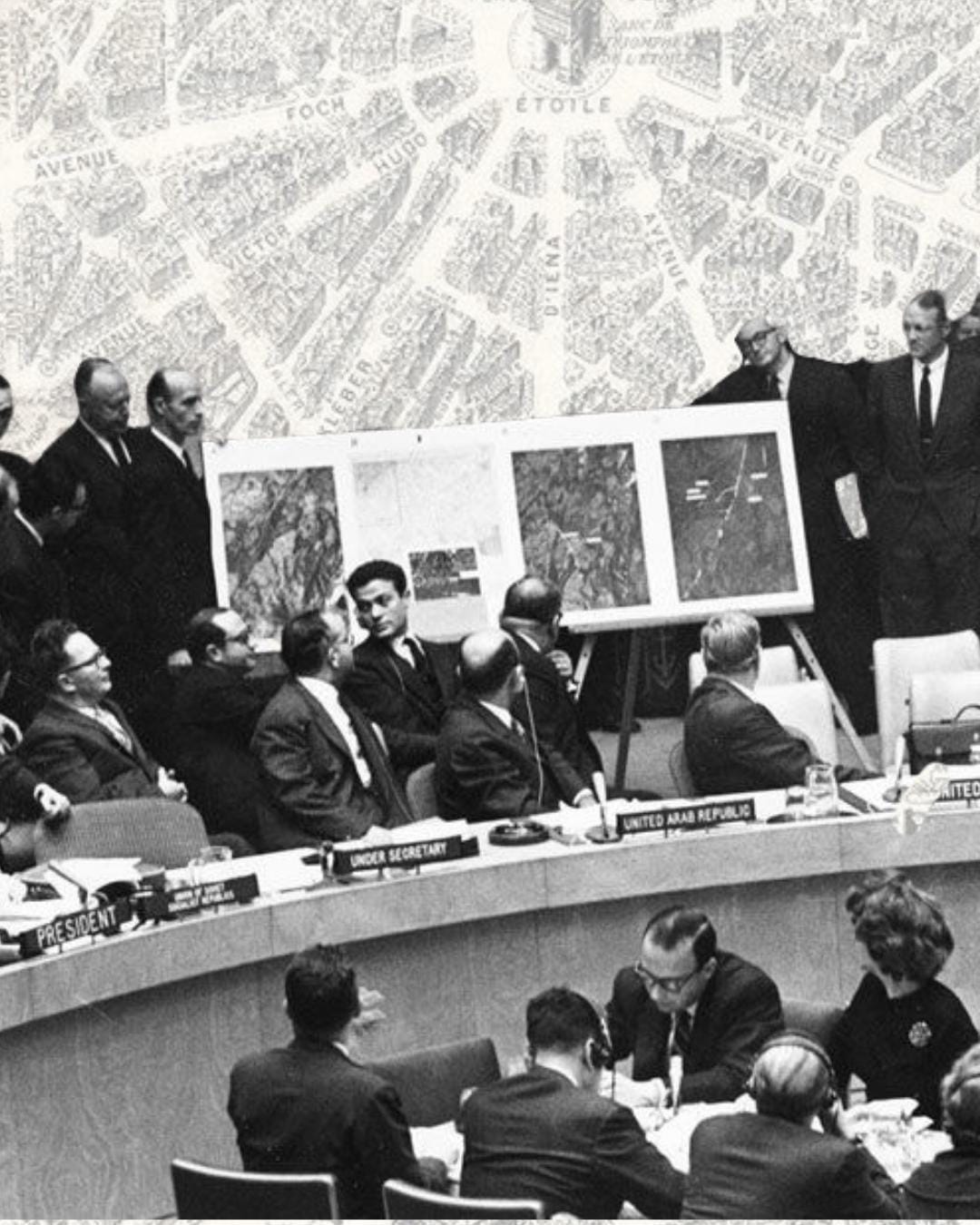
Security Council
Effectiveness of UN security mechanisms
The United Nations Security Council is one of the principal organs of the UN responsible for maintaining international peace and security. It has the authority to impose sanctions, authorize peacekeeping missions, and approve the use of force under international law. In this committee, delegates will evaluate peacekeeping operations, sanctions, diplomacy, and collective security in maintaining international peace and stability.
Under Secretary General: Muhsin Emre Şansal
Academic Assistant: Samet Duvan
-
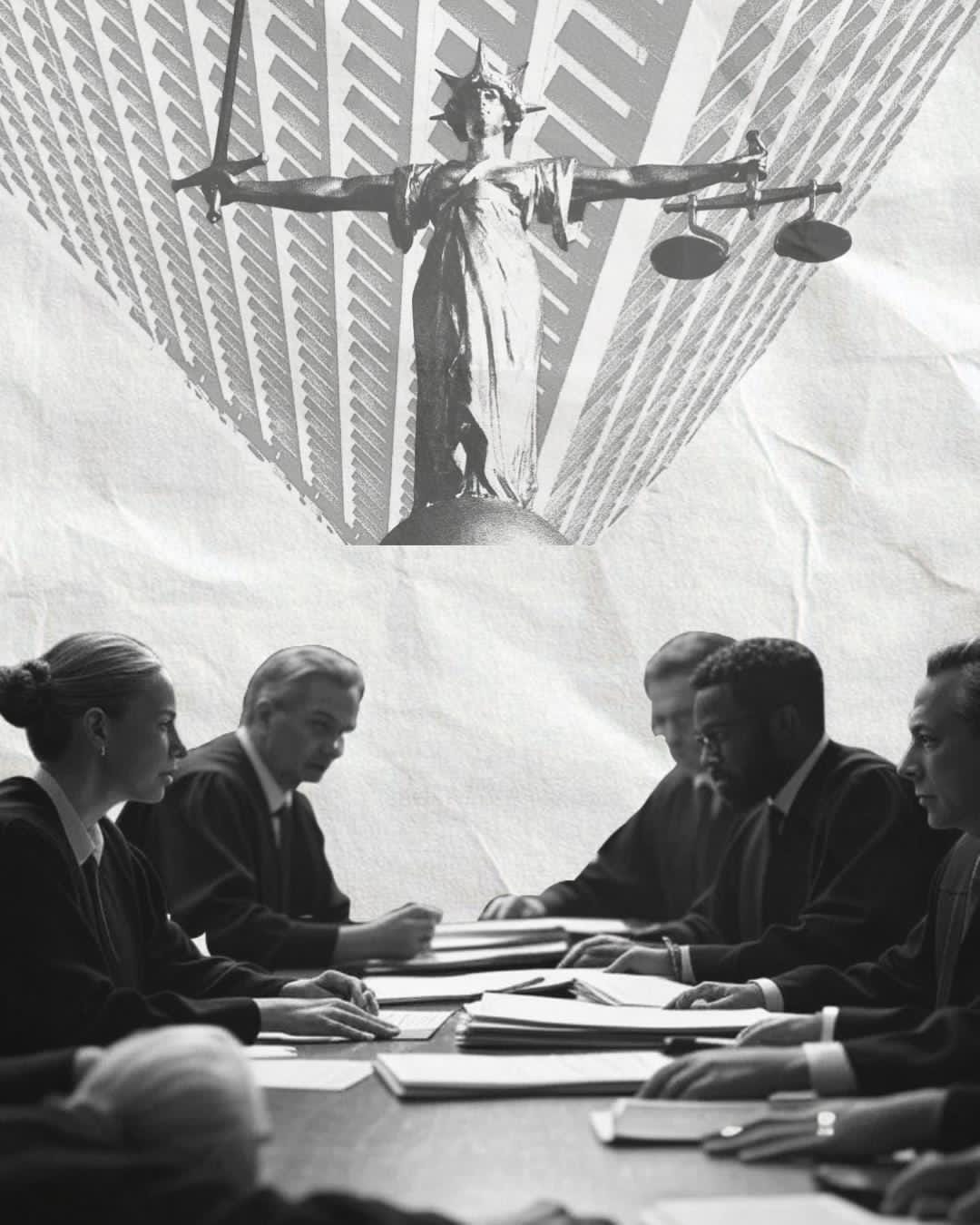
LEGAL
AI-based responsibility and law
This committee focuses on legal systems and regulatory frameworks, particularly concerning emerging technologies such as artificial intelligence. It examines how laws assign responsibility, ensure accountability, and adapt to technological developments. In LEGAL, delegates will examine legal responsibility in AI-based problems under international and domestic law and debate upon accountability, regulation, and ethical frameworks for emerging technologies.
Under Secretary General: Ela Elvin
Academic Assistant: Simge Armisen
-
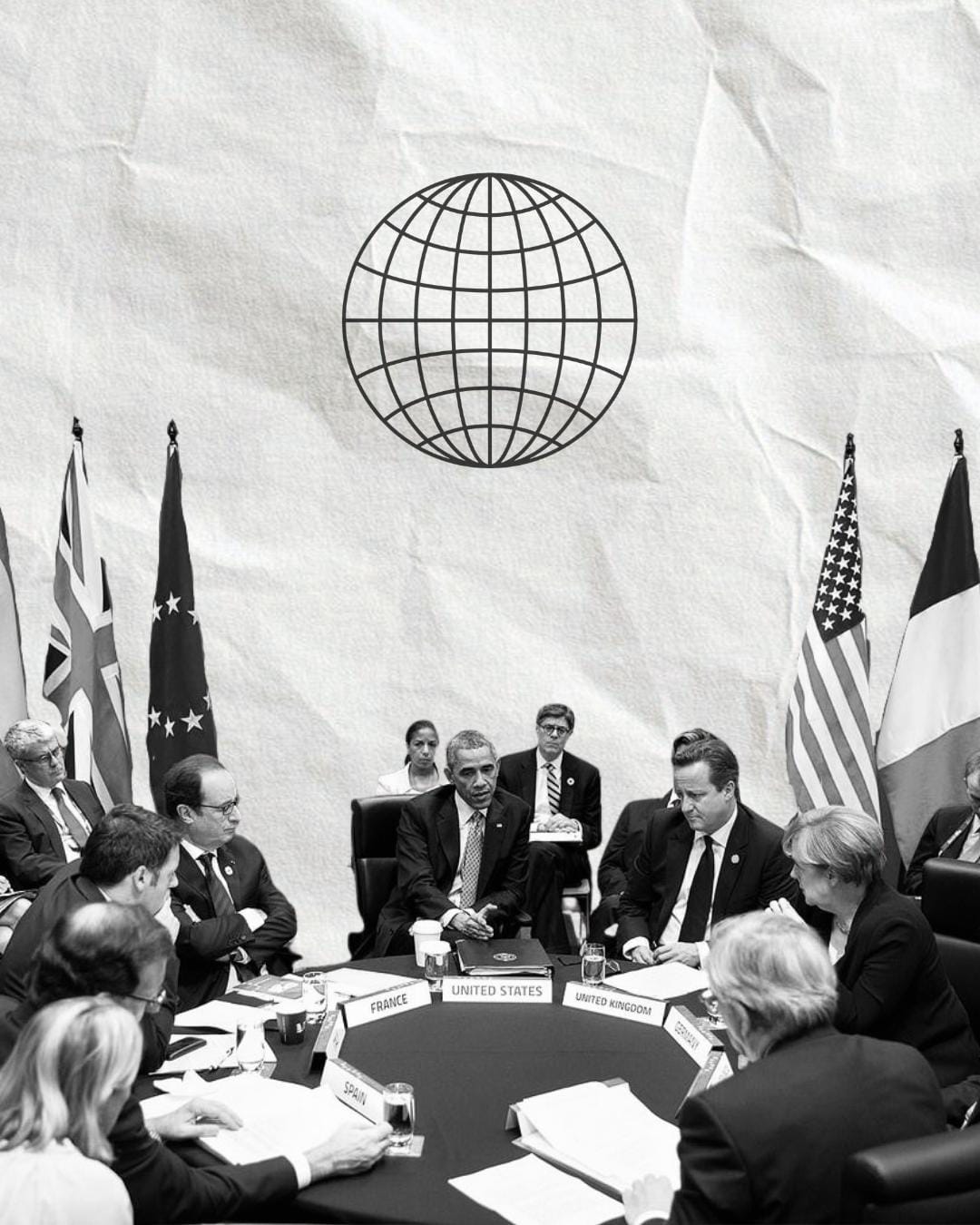
G20
Eastern Mediterranean energy security
The G20 is an international forum of major economies that works to promote global economic stability, financial cooperation, and sustainable development. It addresses key issues such as economic crises, energy security, and geopolitical challenges. G20 delegates will debate about energy security and economic stability in the Eastern Mediterranean. Delegates will address geopolitical tensions, sustainable development, and regional cooperation.
Under Secretary General:
Academic Assistant: Kerem Yiğit
-
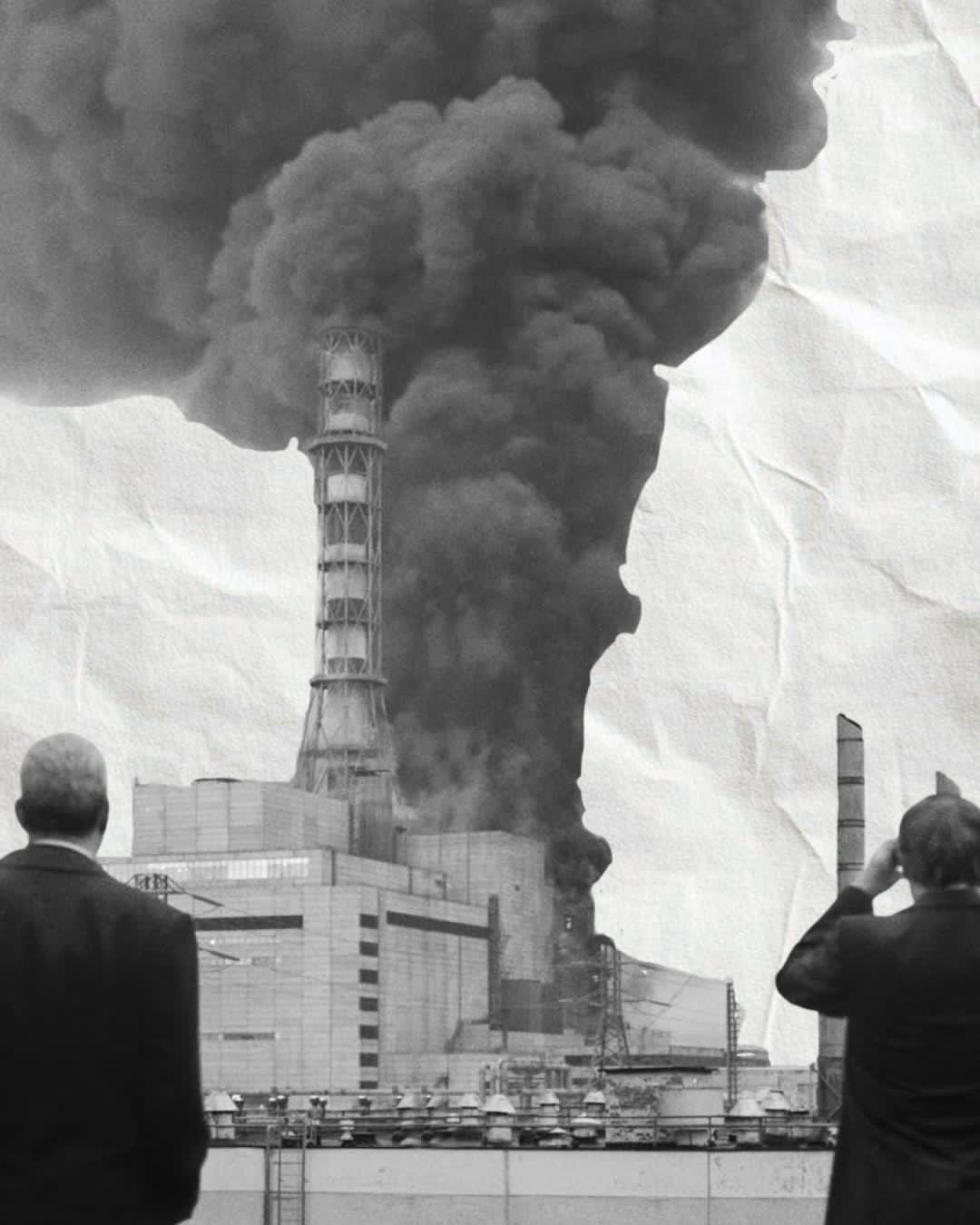
Chernobyl
Nuclear crisis implications
In the early hours of April 26, 1986, an explosion at Reactor No. 4 of the Chernobyl Nuclear Power Plant changed the course of history. What began as a safety test turned into the worst nuclear disaster the world had ever witnessed. A silent, invisible enemy—radiation—spread across borders, contaminating cities, forests, and millions of lives. Beyond the immediate devastation, Chernobyl exposed the fragility of political systems, the dangers of secrecy, and the terrifying consequences of technological failure during the height of the Cold War. Governments struggled between revealing the truth and preserving their authority, while the world watched in fear as radioactive clouds drifted across Europe.
Under Secretary General:
Academic Assistant: Şebnem Som
-
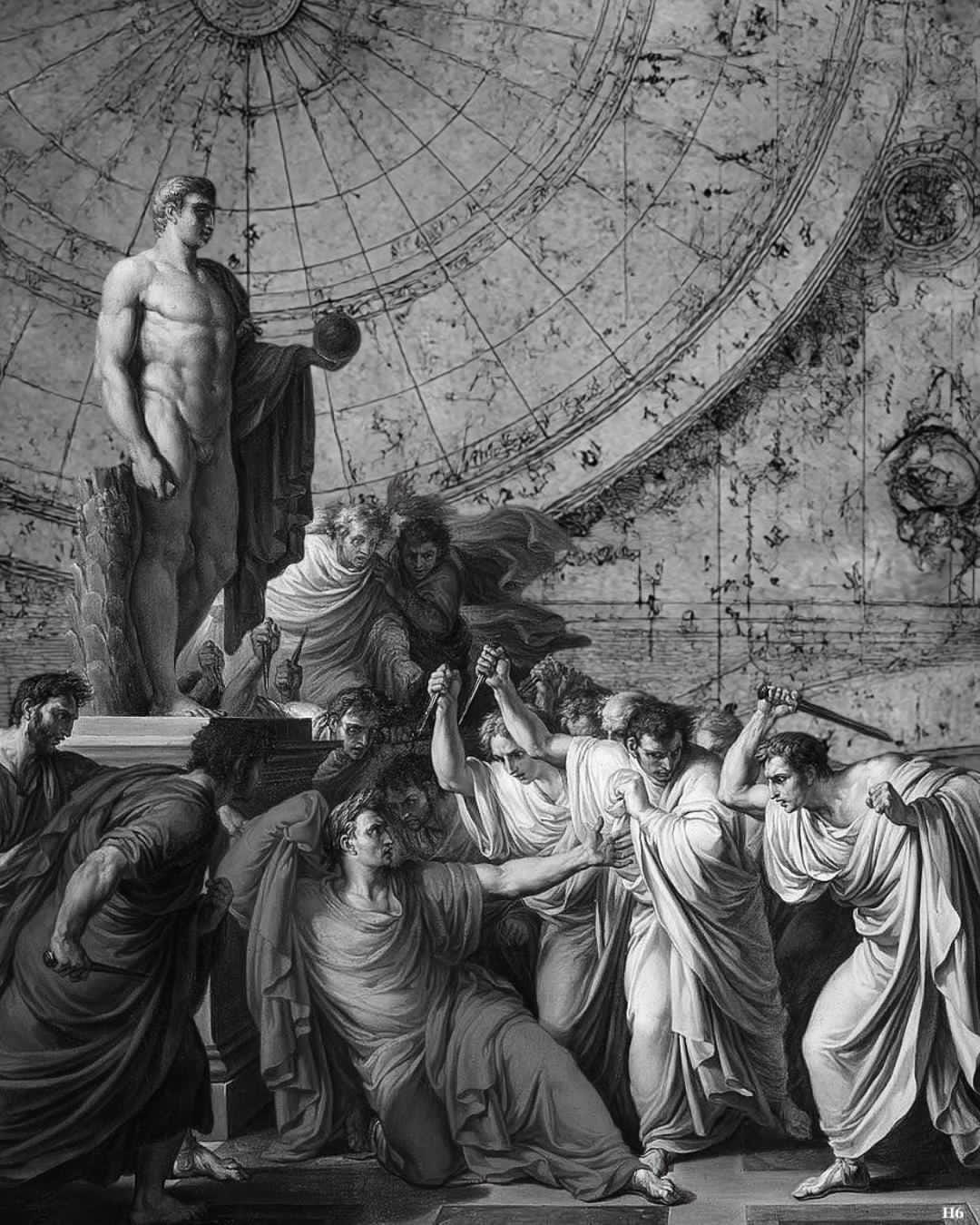
Caesars Murder
Assassination of Julius Caesar
On March 15th, 44 BCE — the Ides of March — Julius Caesar was assassinated inside the Roman Senate. Once a celebrated general and reformer, Caesar had risen to become “dictator for life,” alarming many who feared the end of the Roman Republic. A group of senators, including Marcus Junius Brutus and Gaius Cassius Longinus, believed his death was necessary to save Rome from tyranny. Instead of restoring freedom, the assassination plunged Rome into chaos, civil war, and the eventual rise of an empire.
Under Secretary General: Melek Naz Yılmaz
Academic Assistant: